ARIA Safeguarded AI Programme, new faces, and a splattering of ink lab notes

Hello and welcome! The lab is positively buzzing with energy this month. First, lab director Peter van Hardenberg will announce a major new initiative — this one has been a long time coming. Next, you’ll hear about two researchers who have recently joined our staff. Finally, we’ve got a collection of lab notes about Programmable Ink, to scratch your hardcore engineering itch. So without further ado, here’s Peter!
Ink & Switch supporting the ARIA Safeguarded AI Programme
I’m pleased to share that Ink & Switch has joined the ARIA Safeguarded AI
This might seem far afield from our usual area of work, primarily focused on “tools for thought”, but in fact that’s precisely what we’re offering to the programme. We’ll be working with our fellow Creators in the programme to develop the interfaces that help people and AI agents collaborate on building accurate models of interesting real-world systems.
While it’s still early days for our collaboration, and we don’t want to presume what the best approach for this project will be, our work on
The SGAI programme is significant, including too many teams to name across many disciplines, but we are joined in our little sub-group by our friends at
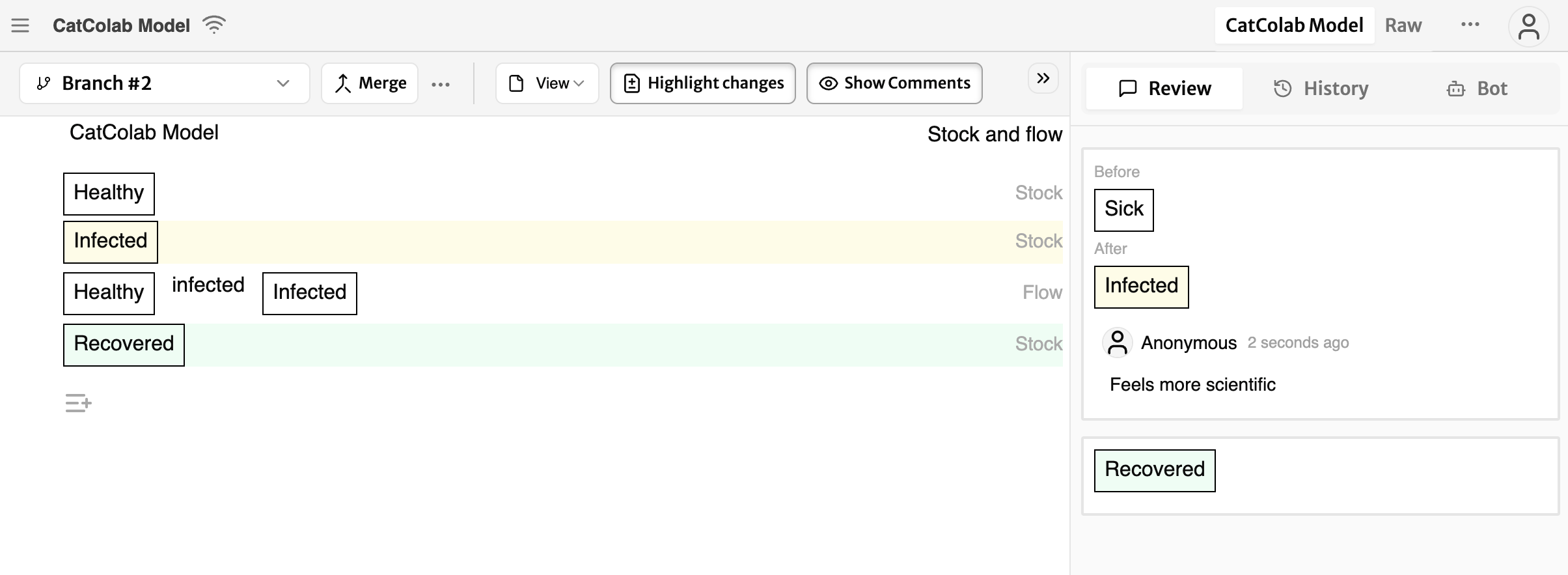
A sneak peek at CatColab running inside Patchwork.
Throughout the next two-and-a-half years, we’ll be spending lots of time in the UK working closely with the research group and with the many people and institutions who might need these tools. We held our first UK-based meetup recently at the
I’m excited and honored to be a part of an ambitious project like this, and I’m grateful to David Dalrymple and the ARIA team for bringing us on board. We are just one small part of a huge team, but we are delighted at the chance to continue to develop tools for thought in a new context of serious use.
As always, if your organization could use our help, you can always reach out. We’re available both informally and in partnership.
Oh, one more thing: one of the requirements of the programme is the open-sourcing of all code participating in the project, so we’ll be releasing Patchwork in some form soon. It needs a little more time to bake in the oven before we turn you loose on it but… watch this space.
Two new faces joining the lab
We’re pleased to welcome a pair of new researchers to our team. They’re joining, in part, to lend a hand with our work on the ARIA Safeguarded AI Programme, each bringing a particular area of expertise.
You may remember John
We also have chee
Exploring ink deformation
Several of our projects —
The ink work is fluid, and has been advancing in surges over the life of the lab. In that time we’ve amassed a sizable collection of lab notes internally, but they aren’t organized in any sort of coherent sequence or structure. Lately, we’ve been collecting some of these existing notes, and writing new ones, to grow a wiki (of a sort) tying these notes together.
It’s not meant to be the sort of thing you sit down and read front-to-back, or follow along with as each new entry is added (though if you’d like to, subscribe to our RSS
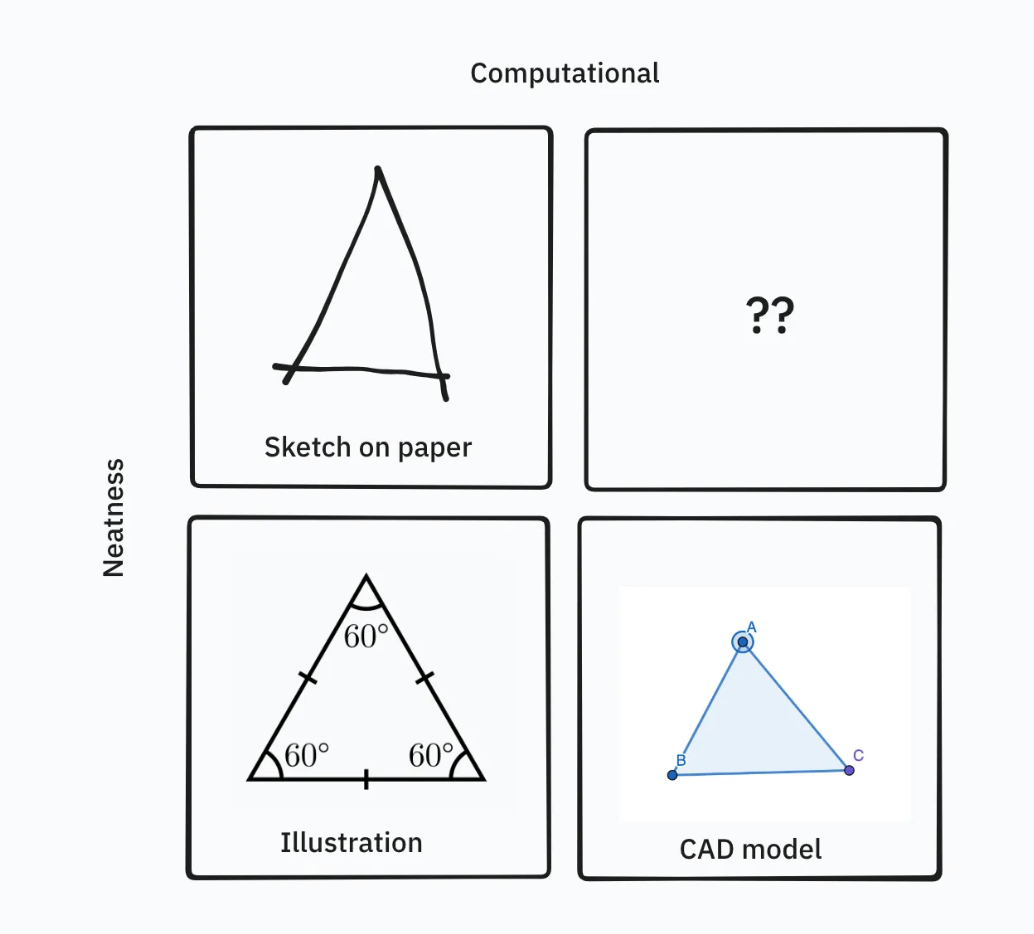
The search for handmade drawings imbued with computational power continues!
This month, we’re sharing an exposition of ink deformation. In short, it’s our goal to imbue the ink and paper of your digital notebook with a sense of material physics, behaviour informed by but diverging from their real world analogs. This includes systemic behaviours like undo/redo—naturally—but also more specialized behaviour. In the case of ink, we’re looking for ways to make it bend, stretch, and mold. For instance, if you draw an arrow, you should be able to grab the arrow and point it at something else — yet it should still look like it was drawn by your hand.
To that end, here is Ink Deformation — A
What’s another open tab?
- Join us this Wednesday for the September Automerge Community
Call , featuring updates about the core libraries, a couple demos, and time for Q&A. These community calls are a new monthly opportunity for the Automerge community to share their projects and hear the latest news from the core team. Sign up for thecalendar , and simply RSVP if you’d like to attend. - Fans of the Local-first Conf, take note of Sync
Conf happening on November 12th in San Francisco, brought to you by the same organizing team (and with substantial interest overlap).
That’s all for this month. As ever, we’d love to hear your feedback and ideas. Simply reply to this email, or use one of the many other ways to connect with